How are atmosphere and oceanic conditions
related during an El Niño?
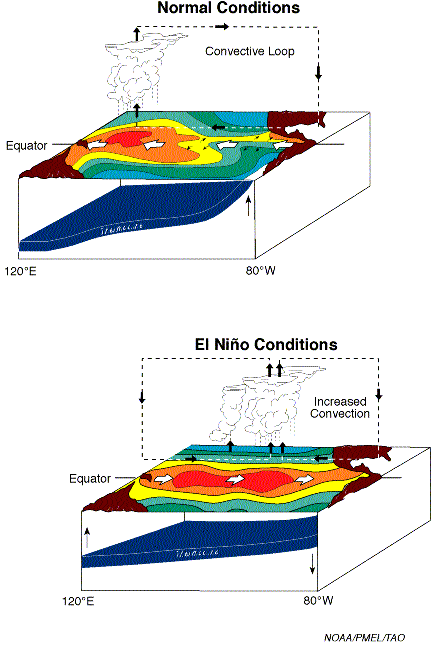
Under “normal” conditions, often referred
to by the term La Niña, the easterly trade winds blow across the
Pacific, generating upwelling along the equator across most the Pacific, and piling up
warm water in the west. The
east-west contrast in sea surface temperature sets up low pressure and
rising motion in the east, and high pressure and sinking motion in the
west.
When an El Niño occurs,
the trade winds collapse, upwelling of cold water ceases along the
equator, and sea surface temperatures rise in the central and eastern
equatorial Pacific. Pressure decreases
in these regions, and rising motion leads to precipitation.